
The recent military developments in Greenland are reminiscent of the “glass plate” or “tripwire” concept in military deterrence terminology.
Symbolically, it represents the boundary between peace and conflict, signifying a critical threshold that, once crossed, could lead to escalation.
Denmark revealed on Wednesday its decision to enhance its military presence in Greenland by reinforcing troops, naval assets, and air capabilities in cooperation with NATO partners.
The Danish Defence Ministry aims to introduce additional military resources and conduct exercises focused on tasks such as safeguarding vital infrastructure and supporting local authorities, including the police, in Greenland.
While officially aimed at enhancing the island’s security in response to concerns raised by the United States, the deployment serves more as a message directed towards the U.S. rather than Russia or China.
Similar to the deployment of tripwire forces in Eastern Europe by NATO, including in the Baltics where Canada leads the mission in Latvia, the Danish military buildup in Greenland is not a NATO-sanctioned operation, which necessitates approval from all 32 member countries, including the U.S.
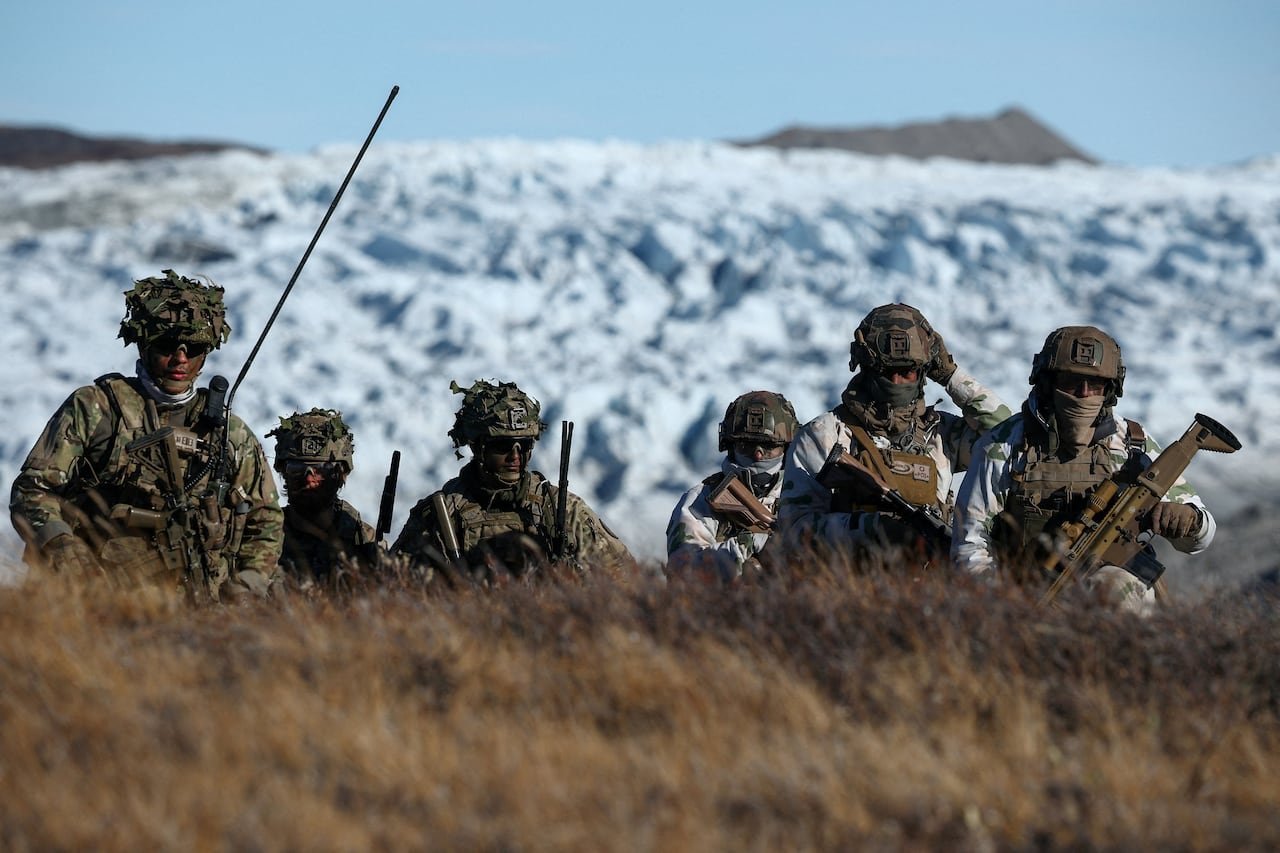
Efforts to bolster the Arctic security are being considered by several NATO allies, including Germany and Sweden, who have indicated their willingness to contribute troops to Greenland as part of the reinforced presence.
Although plans for a military exercise in the region involving Canadian forces are under consideration by the Danes, no final decision has been made, stated Maya Ouferhat, press secretary for Defence Minister David McGuinty.
According to a defense expert, the geopolitical implications of joining the Danish initiative could be significant, as it signifies a strategic move to deter potential aggression, particularly from the U.S.
Amidst the ongoing tensions, NATO Secretary General Mark Rutte highlighted the alliance’s efforts to enhance security in the Arctic region.
‘Fundamental disagreement’
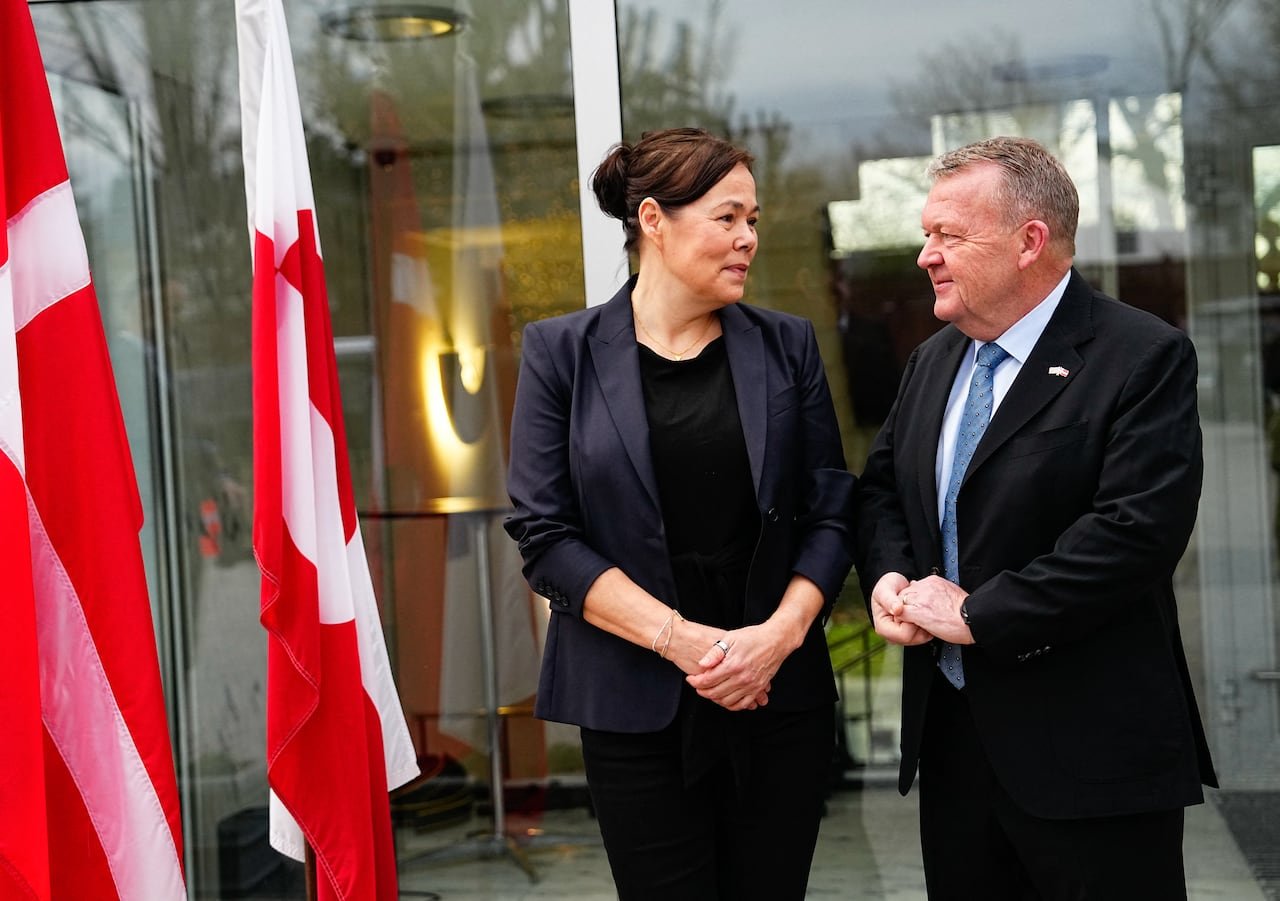
During discussions in Washington, Denmark’s foreign minister emphasized a “fundamental disagreement” with U.S. President Donald Trump regarding the future of Greenland. Despite high-level talks with U.S. Vice-President JD Vance and Secretary of State Marco Rubio, the impasse remained unresolved.
Denmark reiterated its strong opposition to any move by the U.S. to assert complete control over the semi-autonomous island, warning that such actions could jeopardize the unity of NATO.
Speculation arises about the cohesion of the Western military alliance and the implications if the U.S. were to compromise its commitments to defend its allies, especially in light of recent geopolitical tensions.
Questions arise about the U.S.’s readiness to engage in military actions against a NATO ally and the complexities involved in such scenarios

