
The death toll from nationwide protests in Iran has surpassed 2,500 people as of early Wednesday, according to activists. Iranians were able to make international phone calls again after a period of communication blackout by the authorities during the crackdown.
This level of violence during protests is unprecedented in Iran in recent decades.
Human Rights Activists News Agency (HRANA) based in the U.S., known for its accuracy in past unrest reports, stated that the death toll had reached 2,571, with 2,403 protesters, 147 government affiliates, 12 children, and nine civilians not involved in the protests among the casualties.
Over 18,100 individuals have been detained in the ongoing protests, according to the activist group.
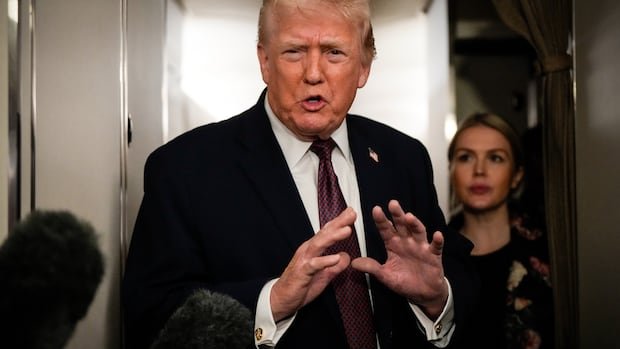
President Donald Trump posted on his Truth Social platform urging Iranian protesters to continue and take control of their institutions. He stated that he had canceled all meetings with Iranian officials until the violence against protesters stopped, promising assistance.
However, Trump later mentioned that his administration was waiting for an accurate report on the number of protesters killed before deciding on further actions.
The Iranian government has not provided official casualty figures. Iranian state television acknowledged the high death toll only after the HRANA activists reported their findings.
With internet services disrupted in Iran, monitoring the protests from outside the country has become challenging, making it difficult for independent assessment of the death toll, including by The Associated Press.
Banks set on fire during unrest
Iranians were able to make international calls on mobile phones after being cut off from the outside world for several days. Witnesses observed a heavy security presence in central Tehran with anti-riot police and Revolutionary Guard’s Basij force deployed armed with various weapons.
Several banks and government offices were reportedly burned during the disturbances, impacting financial transactions due to damaged ATMs and the lack of internet connectivity.
Although shops were open, foot traffic was minimal in Tehran. The Grand Bazaar, where the protests originated, was scheduled to reopen, but witnesses reported that security forces forced shops to resume business against their will, an order not acknowledged by Iranian state media.
The witnesses spoke anonymously due to fear of retaliation.
Concerns of military intervention
Amid fears of a potential U.S. military strike, President Trump hinted at Iran’s willingness to negotiate while some Iranians worry about foreign intervention.
Individuals like shopkeeper Mahmoud and taxi driver Reza expressed concerns about Trump’s actions and the ongoing protests in Iran.
- <a class="cardWrapper-u5T0r cardWrapper-_487P noPaddingCardWrapper" data-feature-instance="

