
The U.S. President, Donald Trump, is set to implement a new 50% import tax on a variety of Canadian products. This latest imposition of tariffs is utilizing a previously unused provision of a law dating back to the Great Depression.
Under Section 338 of the U.S. Tariff Act, the president has the authority to enforce a maximum tariff rate of 50% on imports from nations perceived to be unfairly affecting U.S. industries.
An official from the U.S. administration, briefing the press on the new import duties, noted that Section 338 has never been invoked for this purpose in the past.
-
Carney says Trump agreed to ‘intensify’ trade talks after 50% tariff threat
-
Analysis
Why Trump is threatening new 50% tariffs on Canadian exports right now
The White House is framing these fresh tariffs as a response to Canada’s countermeasures against U.S. trade policies and its alleged bias against three key American sectors: motor vehicles, alcohol, and dairy products.
Allegedly, Washington targeted the first two sectors in retaliation for several Canadian provinces’ refusal to stock American alcohol in government-run liquor outlets and Canada’s imposition of retaliatory tariffs on certain U.S. automobiles.
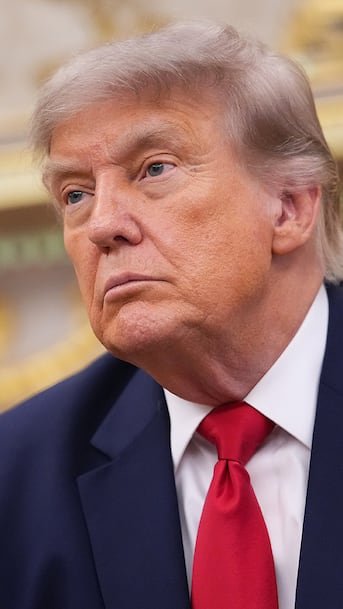
CBC’s Katie Simpson breaks down the key details of U.S. President Donald Trump’s move to impose 50 per cent tariffs on a wide range of Canadian products, over what the White House calls discriminatory trade policies.
Dairy was singled out due to ongoing disputes surrounding Canada’s management of import quotas for U.S. goods, despite Canada’s minimal dairy exports to the U.S.
An estimate from a Canadian government source suggests that the affected goods could amount to around $28 billion under these new tariffs.
While some of the targeted Canadian goods align with U.S. concerns over dairy and alcohol, a significant portion of the listed items under

