
A recent study by researchers at the Woods Hole Oceanographic Institution in Massachusetts has revealed that the breath of North Atlantic right whales harbors important microbial information related to the animals’ well-being. Utilizing drones, the scientists collected spray samples from the blowholes of these endangered whales and analyzed the bacteria present in the spray. By correlating this microbial data with other health indicators, the researchers were able to gain insights into the individual whales’ health status.
The lead author of the study, Carolyn Miller, expressed excitement about the findings, highlighting the potential of this method as a new approach for monitoring the health of the critically endangered North Atlantic right whales. With the global population of these whales estimated to be fewer than 400, factors like ship strikes and entanglements in fishing gear pose significant threats to their survival.
Since implementing the drone collection technique in 2016, the WHOI team has gathered 103 samples from 85 North Atlantic right whales in Cape Cod Bay, Massachusetts. The process involves flying a drone equipped with a petri dish over a whale to capture its breath, which is then swabbed and preserved for analysis back on a nearby boat.
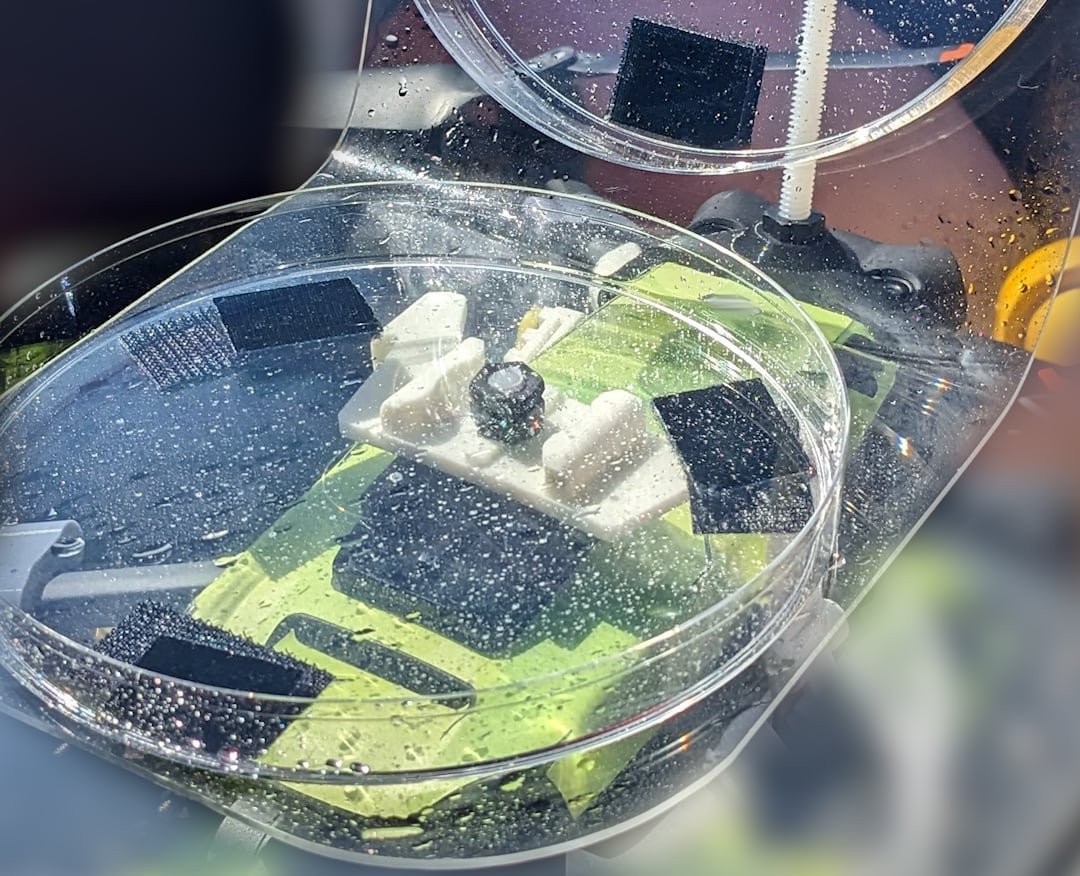
Although drone-based sampling is not a novel concept, this study marks the first time that specific types of bacteria in a whale’s breath have been linked to its health condition. By examining high-resolution images and existing data on various physical attributes of the whales, the researchers identified patterns where thin whales showed signs of infection-causing bacteria while robust whales exhibited bacteria associated with healthy oil-rich environments.
Miller emphasized the advantages of using drones for sample collection, citing the safety and non-invasiveness of the method compared to previous techniques that required close proximity to the animals, posing risks and stress to both researchers and the whales.
The findings have garnered praise from experts like Sean Brillant, a senior conservation biologist at the Canadian Wildlife Federation, who commended the innovative approach of the study in providing valuable insights into the health and well-being of North Atlantic right whales. Brillant highlighted the importance of monitoring whales over time, especially those that have survived traumatic events like entanglements or ship strikes, to assess their ongoing health status.
Enhanced Monitoring and Conservation Efforts
The research findings offer a promising avenue for advancing conservation efforts and enhancing monitoring strategies for the endangered North Atlantic right whales. By leveraging drone technology to analyze microbial data from whale breath samples, researchers are not only gaining crucial insights into individual whale health but also contributing to the broader understanding of the species’ well-being and conservation needs.
This innovative approach underscores the importance of leveraging technology and scientific advancements to safeguard vulnerable marine species and ecosystems, emphasizing the critical role of research in informing conservation policies and practices.
As ongoing threats continue to challenge the survival of North Atlantic right whales, initiatives like this study play a vital role in enhancing conservation efforts and fostering a better understanding of the complex interactions between marine wildlife, human activities, and environmental conservation.


