
While short-term thinking is common among humans, the focus on long-term issues like air pollution, deforestation, and emissions tends to be lacking. Concerns have arisen among scientists regarding a recent SpaceX proposal to deploy one million satellites, also known as data centers, into Earth’s orbit. The potential impacts range from obscuring the natural night sky to environmental consequences on our atmosphere.
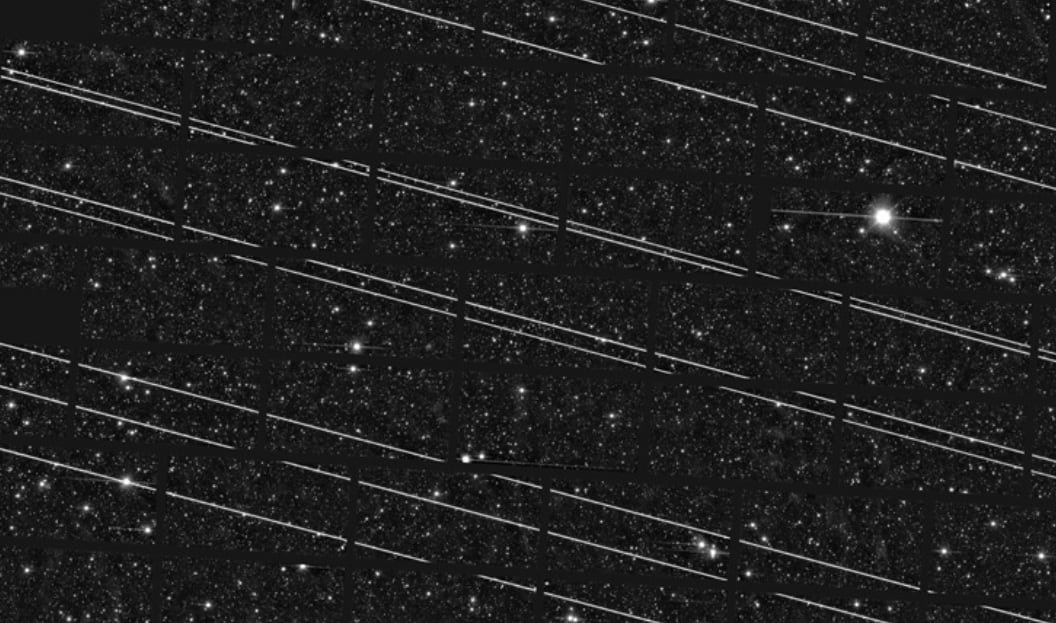
Presently, there are approximately 16,000 satellites orbiting Earth, with SpaceX accounting for more than 8,000 of them. The company constantly launches and deorbits satellites, with an average of over two dozen satellites launched twice a week.
The Impact on Orbital Environment
SpaceX aims to have around 40,000 Starlink satellites in orbit to provide global internet connectivity, even in remote areas. However, the growing number of satellites, combined with the existing space debris of over 140 million fragments, poses risks to both astronauts and satellite operations such as GPS.
Experts, including Aaron Boley from the University of British Columbia, express concerns about maintaining a sustainable orbital environment with the massive influx of satellites proposed by SpaceX.
Public feedback on SpaceX’s million-satellite plan has been predominantly against it, with over 1,000 comments submitted to the U.S. Federal Communications Commission (FCC).
Environmental Concerns
Scientists warn that rocket launches depositing black carbon and soot into the atmosphere could have detrimental effects on the ozone layer. The deposition of pollutants directly into the atmosphere, as seen with satellite reentries, raises uncertainties about the long-term consequences.
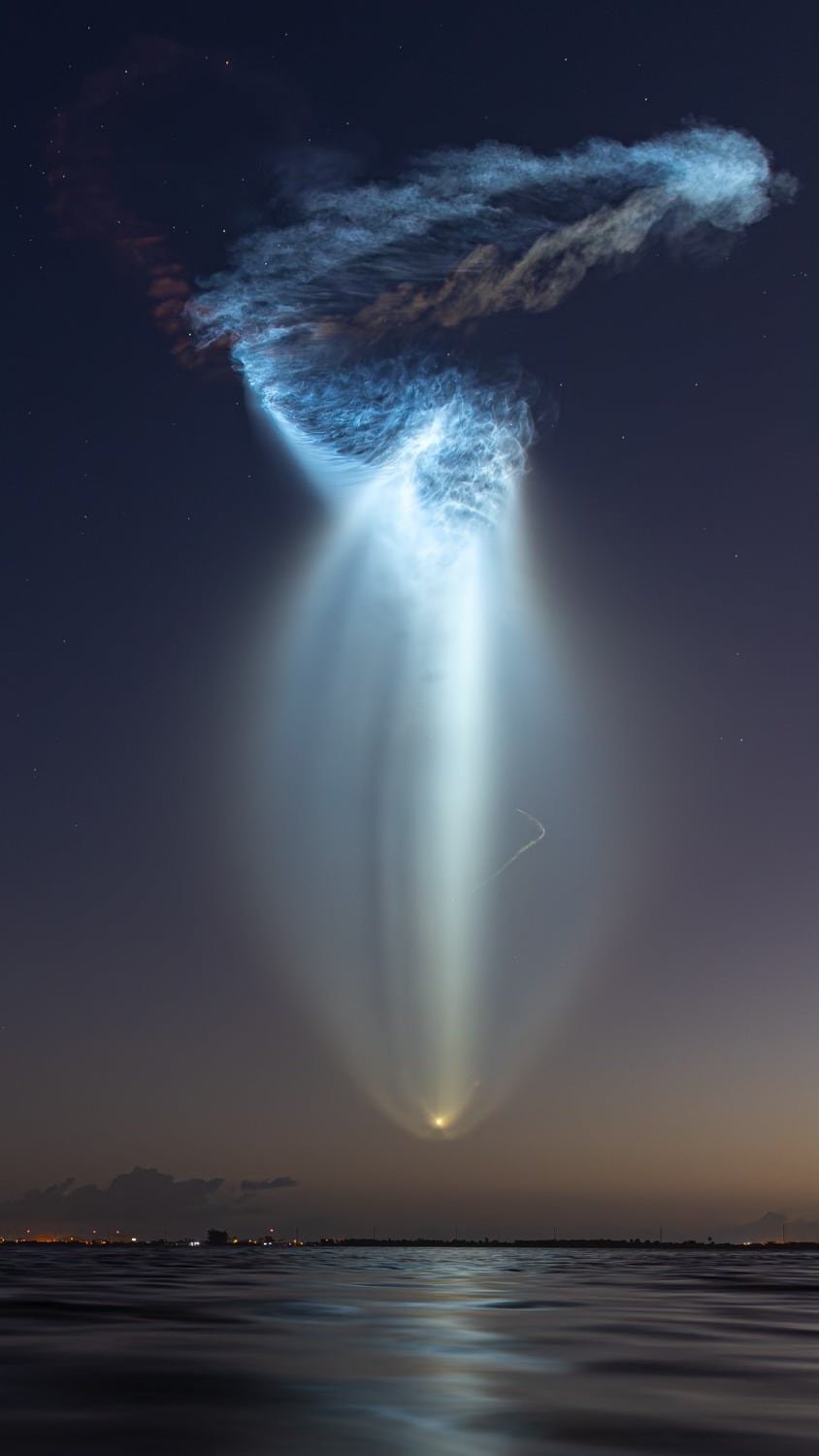
SpaceX’s assurances to minimize atmospheric impacts from satellite deorbiting lack specific details, raising concerns among researchers about the potential consequences of uncontrolled pollution in the upper atmosphere.
Concerns also extend to the threat posed by the increasing number of satellites to space observations and the night sky. The proliferation of satellites could interfere with astronomical observations and impact the cultural and scientific significance of the night sky.
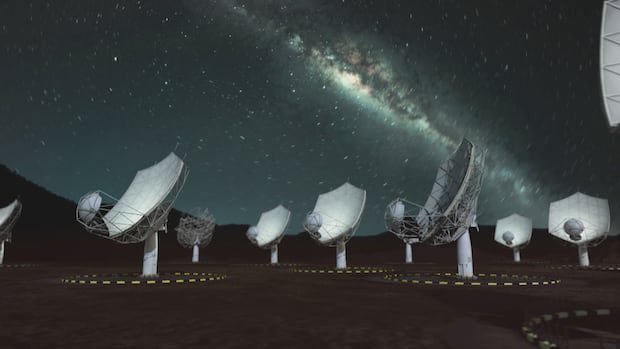
Astronomers express concerns about the impact of Starlink satellites on ground-based telescopes.
The lack of technical information and transparency from SpaceX in its

