Trapped amid political disputes and the threat of potential demise, there are limited choices for relocating the remaining 30 beluga whales at Marineland in Niagara Falls, Ontario.
The shuttered theme park and zoo revealed last week that the whales are at risk of euthanasia following the rejection of their export applications to Chimelong Ocean Kingdom in China by Ottawa.
Federal Fisheries Minister Joanne Thompson voiced worries that approving the export request might expose the whales to potential exploitation for entertainment purposes. She mentioned on Wednesday that she is open to exploring other export requests and has been coordinating with a provincial counterpart to explore potential resolutions.
While export applications for whales fall under federal jurisdiction, the province is legally responsible for animal welfare.
Ontario Premier Doug Ford urged Thompson to reconsider her decision and assist in relocating the whales out of the country.
“Either they grant a permit and we find a new home for them, or they deny a permit and devise an alternative solution…,” Ford stated on Tuesday.
Expert Warns of Dire Fate for Whales in the Wild
The options for solutions are complex. Releasing the belugas into the wild would essentially be condemning them to death, as stated by Andrew Trites, director of the Marine Mammal Research Unit at the University of British Columbia. Introducing them to an unfamiliar environment could lead to rejection by other animals, resulting in a life of hunger and isolation.
Some animal advocacy groups propose the establishment of a seaside sanctuary where the belugas could reside in an enclosed ocean area. However, such a sanctuary is not currently operational in North America.
Nevertheless, a sanctuary managed by the British charity SEA LIFE Trust is present in Klettsvik Bay, Iceland. The Beluga Whale Sanctuary aims to offer belugas a secure and more natural habitat and can accommodate up to 10 belugas.
In 2020, two female belugas, Little Grey and Little White, were relocated to the sanctuary from an aquarium in Shanghai, China. Despite their relocation, the whales have spent over 90% of their time in a nearby indoor pool, according to Javier Almunia, a marine biologist and professor at the University of La Laguna in Spain.
In an interview with CBC, Almunia highlighted significant challenges faced by the whales, including an oil spill in 2022 that contaminated the bay and signs of stress from adapting to an open-water environment.
“Everything is different. The weather conditions are changing. The temperature is changing,” Almunia remarked.
Debating the Feasibility of Sanctuary for Captive Whales
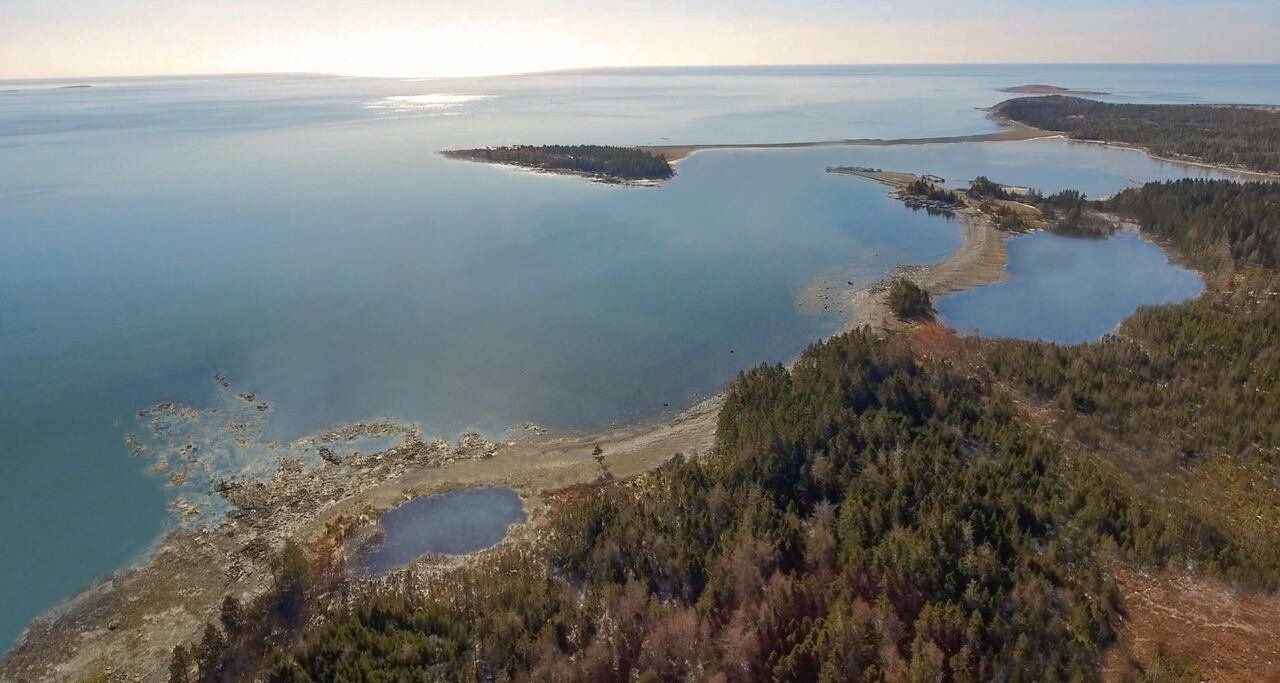
The U.S.-based Whale Sanctuary Project has proposed a site in Port Hilford Bay, Nova Scotia, as a potential location for the Marineland belugas. Charles Vinick, the project’s executive director, mentioned that the cove could accommodate eight to 10 belugas, with an annual operational cost of $1.5 million to $2 million.
While the project is currently donation-funded and requires an initial investment of $15 million, it aims to be operational by the following summer, as per Vinick’s statements to CBC.
“The costs involved are significantly lower than constructing another tank on land for a few cetaceans,” Vinick emphasized.
However, the project faces obstacles due to the lack of consent from neighboring landowners and the absence of federal or provincial approvals.