

Leslie Klein expressed her surprise at the sudden closure of the student magazine she is involved with, citing its focus on women readers as the reason for the shutdown.
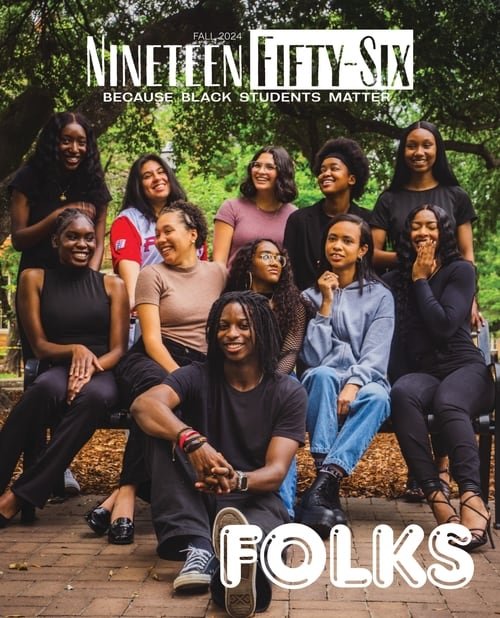
The University of Alabama recently announced the immediate shutdown of two student publications, Alice and Nineteen Fifty-Six, due to alleged violations of anti-diversity guidelines introduced by the Trump administration.
The closure of Alice, a magazine dedicated to women’s issues, and Nineteen Fifty-Six, a Black student publication, has sparked concerns about freedom of speech and press among the editorial teams.
According to Klein, managing editor of Alice, the situation has left everyone bewildered and unsure about the next steps.
Student journalists left in disbelief and dismay
The decision to close both Nineteen Fifty-Six and Alice was communicated to the editors on Monday morning.
“The news was quite shocking,” said Gabrielle Gunter, editor-in-chief of Alice, a publication that had recently celebrated a decade of operations.
Although Nineteen Fifty-Six did not respond to CBC’s interview request, the editor, Kendal Wright, expressed disappointment but not surprise at the university’s decision.
Wright emphasized the dedication of the students involved in the publication, which is named after Autherine Lucy Foster, the first Black student to enroll at the university in 1956.
The university defended its actions by referencing a memo from U.S. Attorney General Pamela Bondi, warning against practices labeled as Diversity, Equity, and Inclusion (DEI) programs.
DEI initiatives, aimed at promoting marginalized voices, have come under scrutiny by the Trump administration for allegedly violating federal anti-discrimination laws.
Efforts to obtain comments from Bondi’s office on whether the closures comply with federal law are ongoing.
University’s stance on anti-DEI policies
University spokesperson Alex House reiterated the institution’s commitment to inclusivity while emphasizing the necessity to comply with legal obligations.
House assured that the university upholds students’ freedom of speech as outlined in the First Amendment of the U.S. Constitution.
Klein contested the notion that Alice discriminates, highlighting its open-door policy for contributions from all members of the campus community.
She emphasized the distribution of the magazine to individuals of diverse genders and identities, including male contributors and editors.
Klein expressed surprise at the university’s decision, noting the lack of prior complaints regarding discrimination from faculty, staff, or students.

<figcaption

