
On Monday, Leqaa Kordia, 33, emerged from the Prairieland Detention Facility in Texas, beaming as she raised her hands to greet the supporters who had come to welcome her. Friends and family members enveloped her in hugs while others captured the emotional reunion on camera.
Kordia was the final individual still in custody from the Trump administration’s 2025 initiative targeting pro-Palestinian activism on university campuses. She was set free on Monday after what she describes as a challenging year spent in detention.
During her time in custody, Kordia faced squalid and inhumane living conditions, and her religious rights were infringed upon, according to Sarah Sherman-Stokes, one of her attorneys. Ultimately, she was not charged with any offense.
Nonetheless, Kordia expressed that her freedom holds little significance until “everyone is free.”
“There is a lot of injustice in this place,” she told journalists following her release from the detention facility located south of Dallas. “Many individuals do not belong here at all. We will continue to advocate for them.”
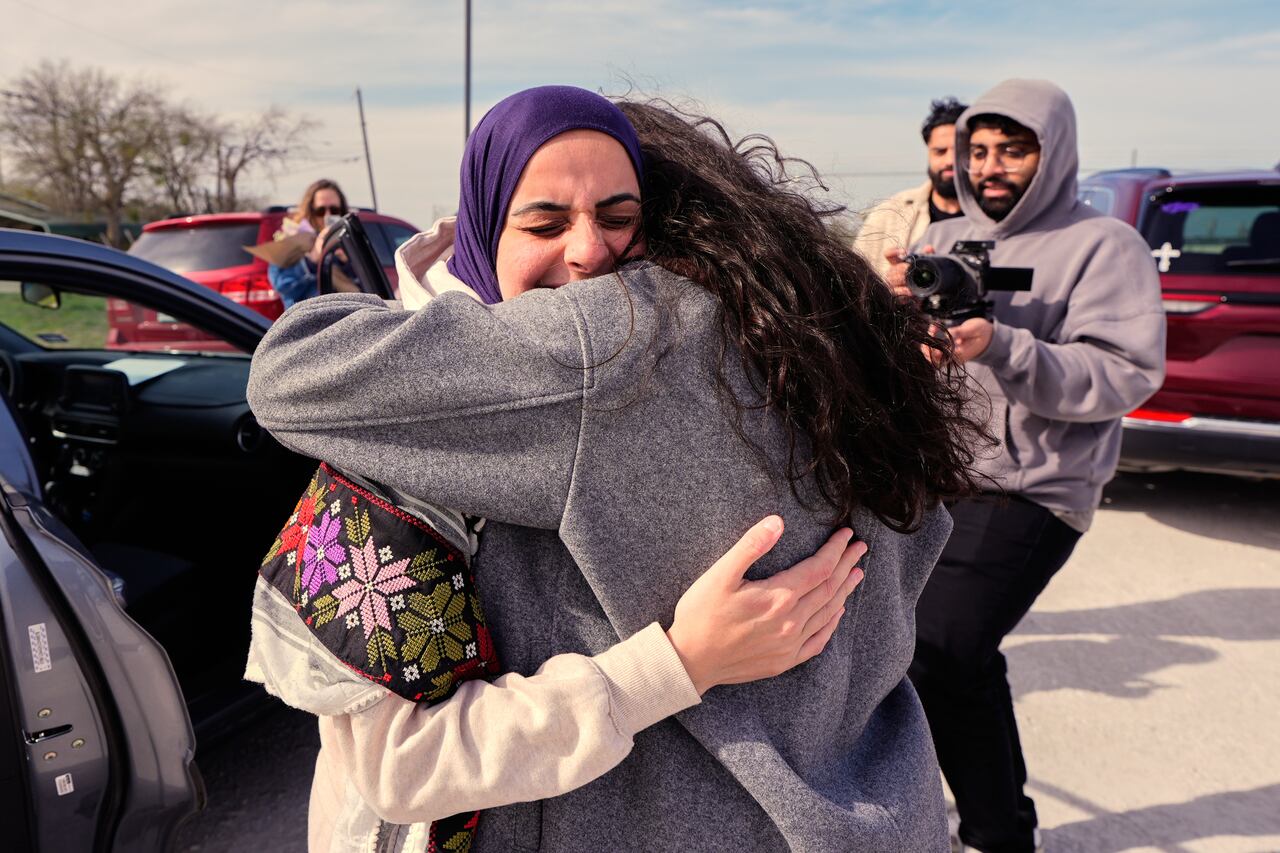
Leqaa Kordia, left, shares an embrace with friends, family, and supporters following her release from the Prairieland Detention Center in Alvarado, Texas, on March 16. (Tony Gutierrez/The Associated Press)
Reportedly punished for voicing her opinion
The Palestinian woman, who hails from the West Bank, has resided in New Jersey since 2016, initially on a visitor visa and later on a student visa, as stated by her attorney. Her detention was partly due to her involvement in protests against the Gaza war at Columbia University. She was taken into custody during an immigration check-in on March 13, 2025, and subsequently moved to the detention facility in Dallas.
U.S. officials claimed she overstayed her visa and questioned the money she had sent to family members in Gaza—funds Kordia indicated were intended to assist relatives affected by the conflict there.
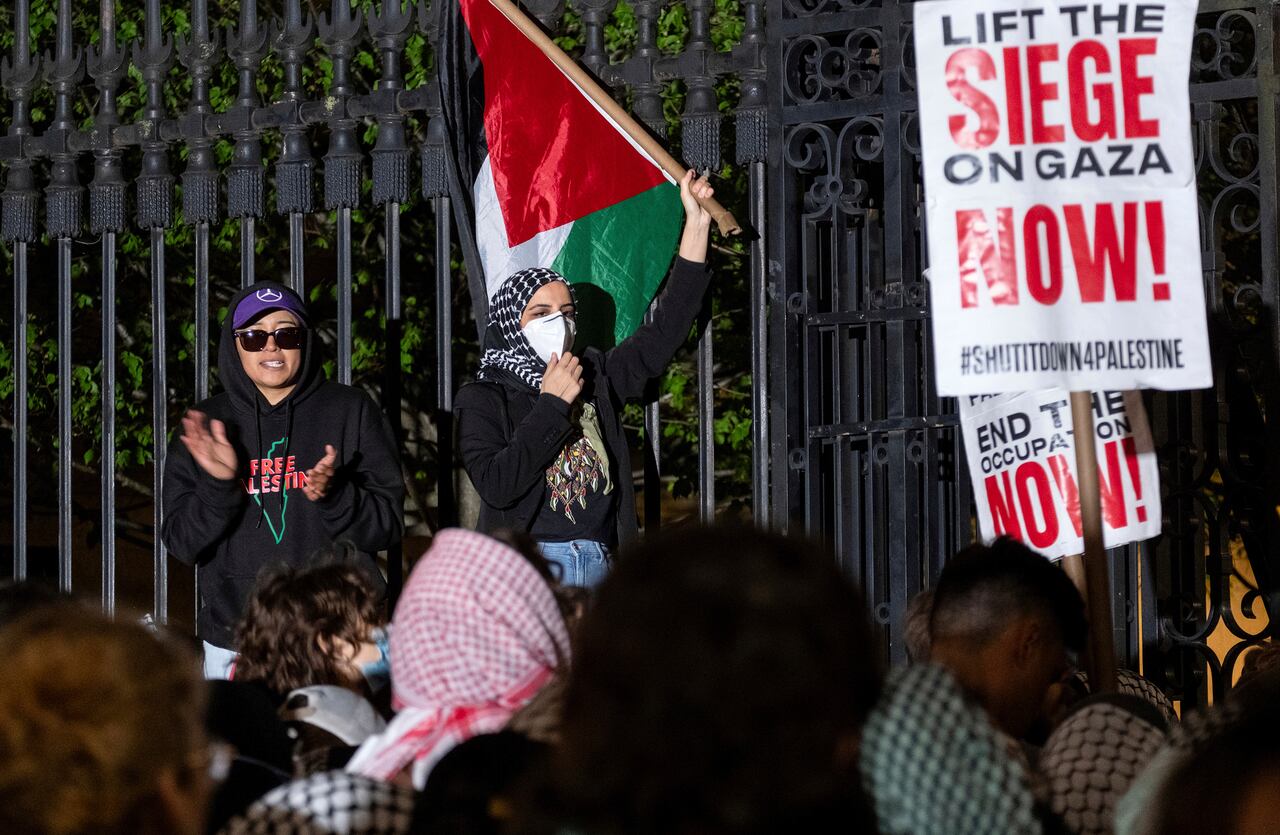
Leqaa Kordia, center, participates in a demonstration with pro-Palestinian activists at Columbia University in New York, in April 2024. (Craig Ruttle/The Associated Press)
The Department of Homeland Security accused her of providing financial assistance to “individuals living in countries hostile to the U.S.”
An immigration judge ordered her release on three occasions. After contesting the first two decisions, the government did not challenge the third, resulting in her release on a $100,000 US bond.
According to Sherman-Stokes, Kordia came to the U.S. in 2016 to be with her mother, a U.S. citizen. She was on a path toward obtaining a green card but lost her status due to receiving incorrect legal guidance, her lawyer explains. However, Kordia has since taken measures to rectify the situation. She has been granted a form of protection known as withholding of removal, which is for individuals fearing persecution in their home country.
-
Federal judge accuses Trump administration of ‘terror’ against immigrants, vacates ruling on mass detention
-
Palestinian activist Mahmoud Khalil released from U.S. immigration detention
Sherman-Stokes mentions that the U.S. government has appealed the ruling, and the case remains ongoing. She asserts that Kordia was targeted due to her pro-Palestinian activism.
“This administration is intent on punishing individuals who advocate for Palestine … punishing those who demand a ceasefire and an end to the genocide that claimed nearly 200 of Leqaa’s family members,” she stated.
“It appears they will stop at nothing, even when they … lacked any credible evidence in this case.”
‘Compelling evidence’
Last month, while still in detention, Kordia was hospitalized, her attorney reported, after suffering a fall, head injury, fainting episodes, and a seizure. Sherman-Stokes contends that Kordia was restrained to the hospital bed, denied access to legal assistance, and subjected to filthy, inhumane conditions at the detention facility.
“Women [slept] on the floor,” noted Sherman-Stokes. “Leqaa did not have proper access to food—she was frequently denied halal meals despite her numerous requests; her religious rights were violated.”
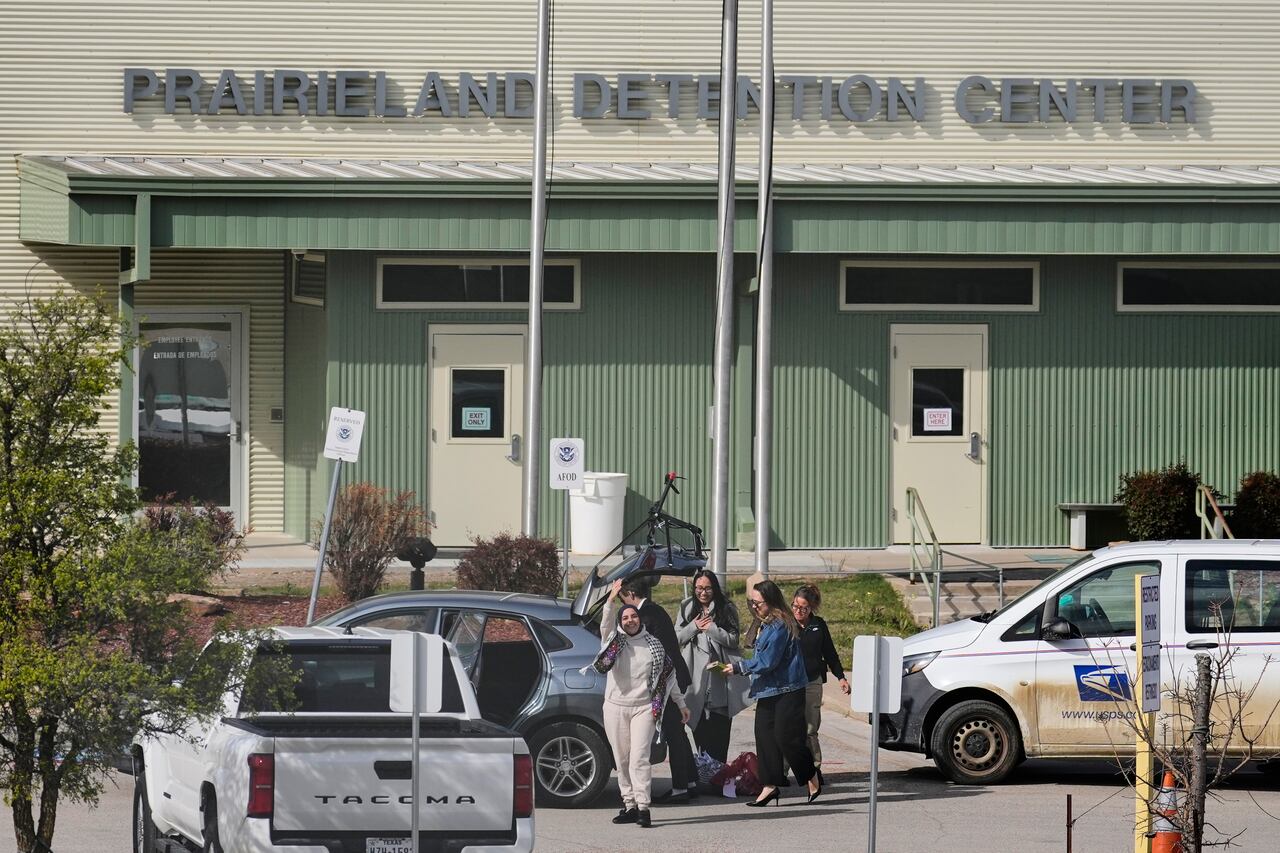
Kordia, with hands raised, waves to supporters following her release. (Tony Gutierrez/The Associated Press)
Sherman-Stokes stated that doctors informed Kordia that the seizure was likely a consequence of an underlying neurological condition exacerbated by stress and sleep deprivation.
During a hearing on Friday, Immigration Judge Tara Naslow found “compelling evidence” that Kordia was truthful regarding the overseas payments, as reported by The Associated Press. Naslow concurred with Kordia’s attorneys that her detention heightened her risk of seizures and determined that she did not represent a flight risk and could reside with her family who are U.S. citizens.
“I’ve listened to testimony,” Naslow stated. “I’ve reviewed thousands of pages of evidence from the respondent and very little from the government in this matter.”
-
Israeli army pounds parts of Gaza as Palestinians and Israelis mark 2 years of war
-
Freed Columbia University activist Mahmoud Khalil seizes new public platform amid efforts to deport him
DHS stands firm
However, in an email sent to The Associated Press on Monday night, the DHS reaffirmed its position. “The facts surrounding this case remain unchanged: Leqaa Kordia is in the country illegally after breaching the terms of her visa.
“The Trump administration is dedicated to reinstating the rule of law and rationality within our immigration framework, and will persist in its efforts to arrest, detain, and deport individuals who lack the right to be in this country.”
Despite being released on bond, Kordia has yet to reunite with her family in Paterson, New Jersey, according to her attorney. She is currently residing with a friend in Texas because she is unable to fly without a government-issued identification.
“We are thus waiting for the government to provide that to her,” stated Sherman-Stokes. “This is a common obstacle for individuals released from detention … but we are addressing it and hope to resolve it swiftly so she can be with her family in New Jersey in time for Eid.”

