
This article is the first installment of a two-part series exploring the impact of climate change on winter sports. The upcoming article will delve into the actions taken by athletes and decision-makers in Canada and globally to tackle this issue.
For more than 20 years, young skiers and snowboarders have trained on Whistler Blackcomb’s Horstman Glacier during the summer, learning from some of Canada’s top athletes on snow.
Momentum Camps has been a breeding ground for Olympic aspirations and a nurturing ground for a lasting passion for sports. From learning moguls skiing from Mikaël Kingsbury, dubbed the King of Moguls, to producing elite athletes like Alex Bilodeau, Cassie Sharpe, and Jennifer Heil, who have achieved Olympic glory, the camp has been instrumental in shaping champions.
John Smart, a two-time Olympian and 13-time World Cup medallist in freestyle skiing, founded Momentum Camps in 1992 with the aim of not only producing champions but also instilling healthy lifestyles in young athletes through mentorship.
“Many kids who passed through the program have gone on to achieve great success and become stars,” Smart stated.
However, the rapid melting of the glacier led to the cessation of summer skiing and snowboarding on the Horstman Glacier in 2024, as the mountain resort deemed it unsafe to operate during warmer months. This marked the end of camps that united enthusiastic kids with top-tier athletes.
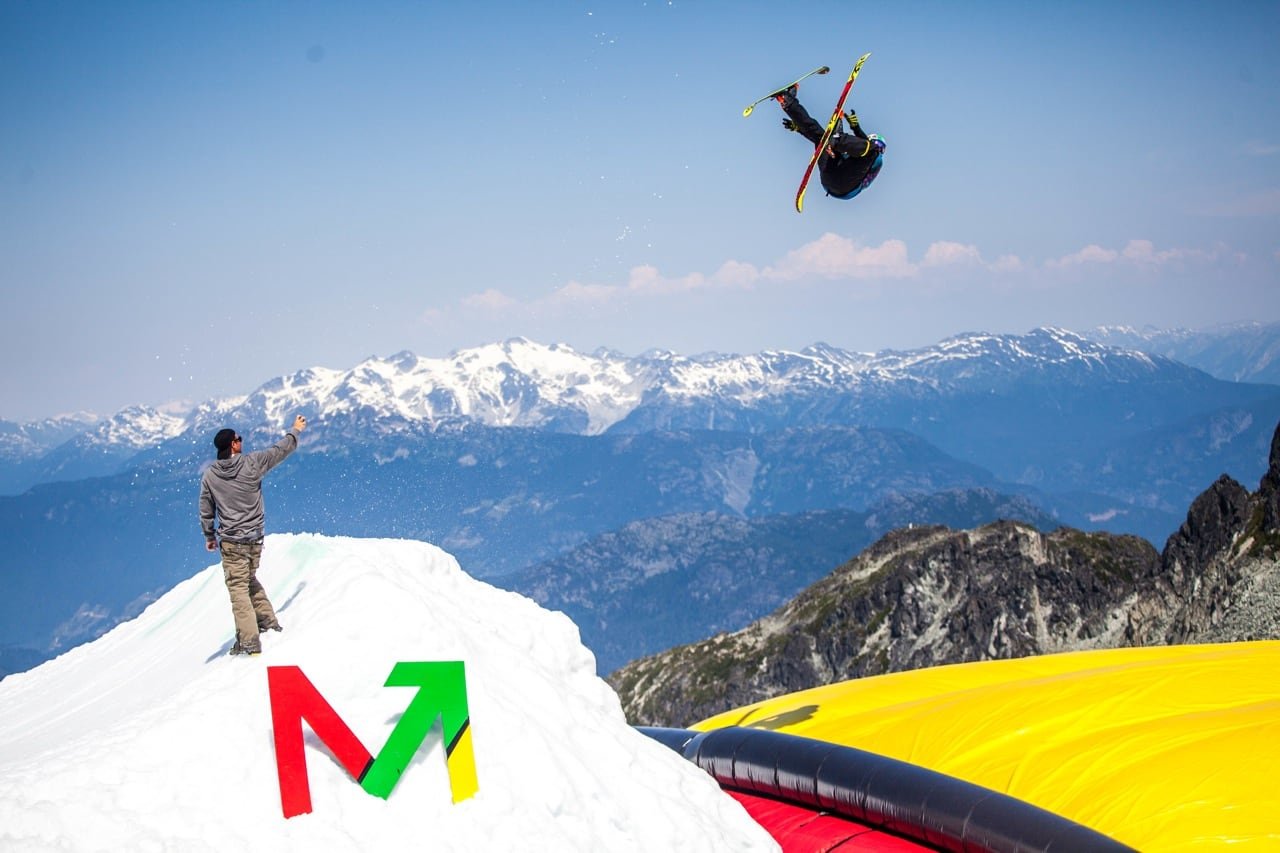
Subsequently, top athletes in Canada faced a training void during the summer, often having to seek training opportunities in Europe, incurring additional costs and disruptions to their routines.
The cessation of summer skiing served as a stark reminder of the existential threat posed to winter sports by the accelerated global warming.
“The impact on a major training center like this makes us reflect on the daily implications of climate change,” noted Peter Judge, CEO of Freestyle Ski Canada.
A 2024 study commissioned by the International Olympic Committee revealed a diminishing number of suitable locations capable of hosting the Winter Olympic and Paralympic Games due to the warming climate. By the 2050s, only half of the previous 21 Olympic host cities are projected to be viable hosts.
The ski and snowboard community is witnessing an increasing number of event cancellations or downscaling due to safety concerns for athletes.
“We are observing a precarious situation where early-season events are becoming increasingly unreliable,” Judge remarked. “Previously, December events were a certainty, but now their occurrence is in question each year.”
Tackling the broader issue of climate change requires collaborative efforts beyond the ski and snowboard community, as highlighted in discussions among global leaders and negotiators at the ongoing UN Climate Conference, COP30, in Brazil.
Smart envisions a solution to revive summer skiing on Whistler Mountain, albeit a project that is over two years away and comes with a substantial cost. Nevertheless, he emphasizes the significance of this initiative in preserving grassroots participation in winter sports.
Safety concerns prompt end of summer skiing
Operations at the glacier’s summer camps were ceased following a comprehensive assessment of conditions on Horstman Glacier and the Showcase T-bar area, determining that safe operations were no longer feasible.
“The decision to discontinue operations was influenced by the glacier’s condition and the adverse effects of glacial melting,” stated Dane Gergovich, a spokesperson for Vail Resorts, the American company that acquired Whistler Blackcomb in 2016.
Gergovich highlighted the impact of glacial melt and the lack of consistent snow

