Female orcas endure lengthy pregnancies, extended nursing periods, and lifelong care for their offspring, showcasing the demanding nature of motherhood in these marine mammals.
According to biologist Sharon Kay, new research published in the journal Scientific Reports highlights the physical toll that motherhood takes on orca mothers. The study focused on the relationship between body fat levels, essential for survival in orcas, and the speed at which mothers regain fat post-pregnancy. Surprisingly, the number of offspring present, rather than the number of births, significantly impacts the fat recovery process in orca mothers.
These findings shed light on the societal challenges faced by orcas, especially in the face of ongoing human-induced environmental pressures.
Detailed Analysis of Body Conditions
The study concentrated on northern resident killer whales found in the waters from Alaska to northern Washington, a population classified as threatened under Canada’s Species at Risk Act. Amy Rowley, a biologist with the Raincoast Conservation Foundation, noted a significant decline in fat levels among orca mothers during the nursing phase post-birth. While this decline typically spans three years, some mothers struggle to return to their pre-pregnancy fat levels.
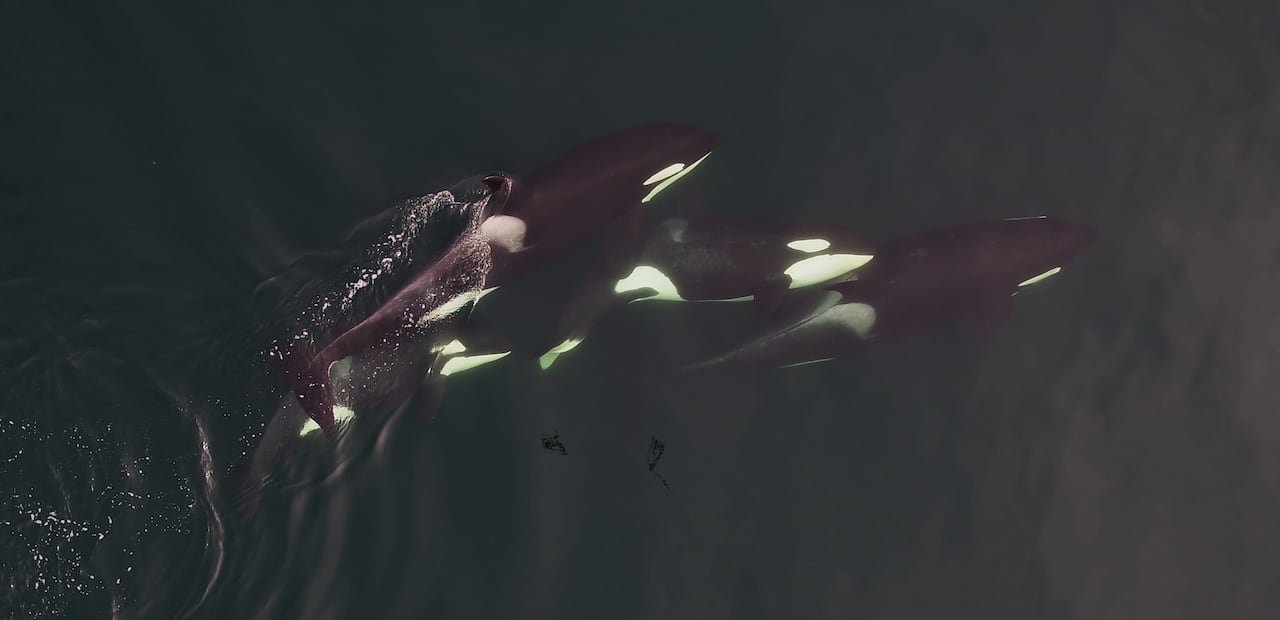
Given the challenges of measuring body fat in wild orcas, the research team utilized drones to capture images from above, focusing on changes in the white patches above the whales’ eyes as an indicator of fat levels.
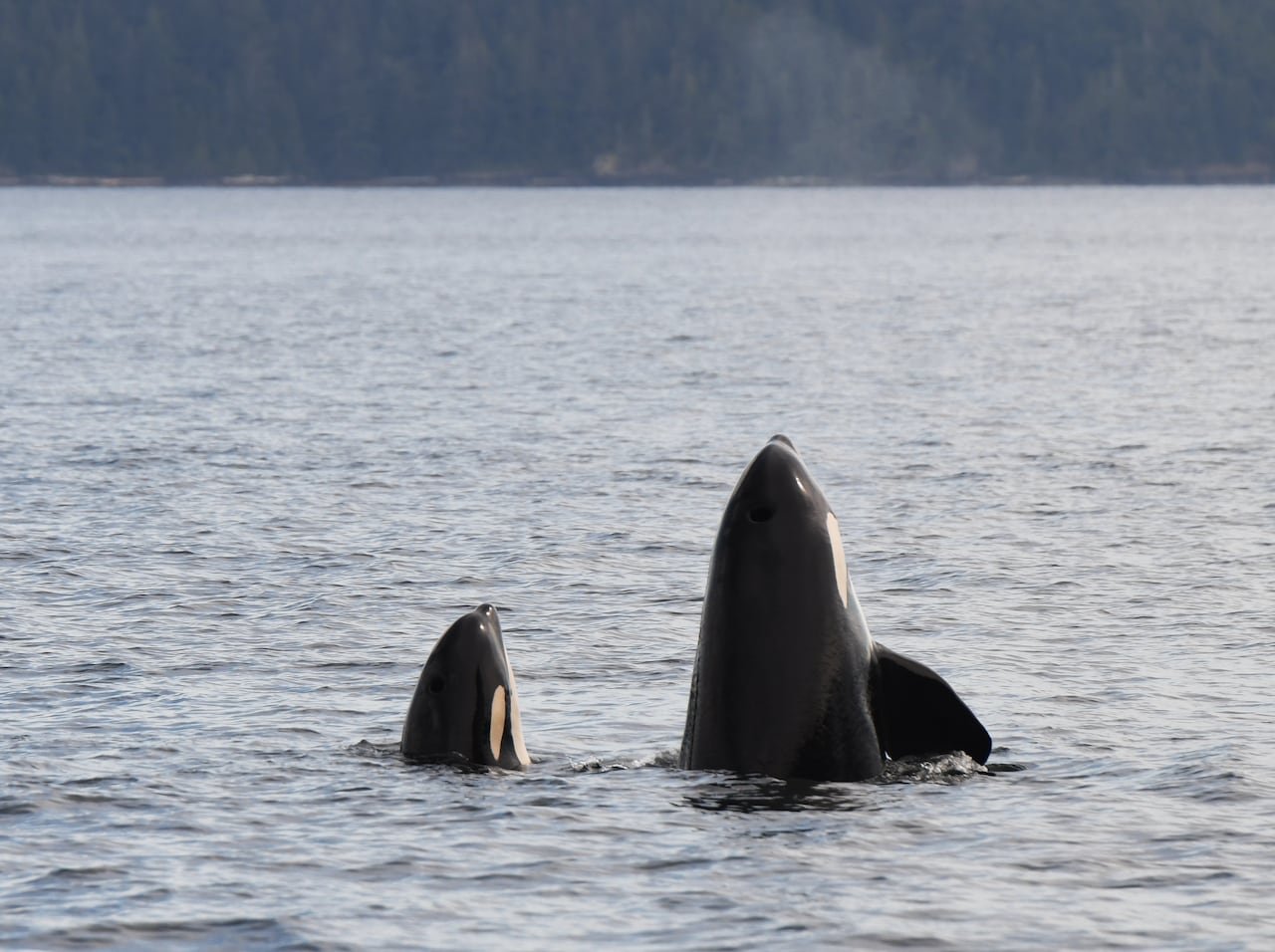
By meticulously examining these images, researchers could track variations in the eye patches, with outward angles indicating healthier fat levels and inward angles suggesting poorer conditions.
Impact of Offspring on Body Fat Levels
Research involving 66 adult female orcas revealed that the number of living offspring directly influences body fat levels, with up to half of killer whale calves not surviving beyond the first year. The study emphasizes that the long-term care, including hunting and food sharing, for offspring significantly impacts the health of orca mothers.
Marine ecologist Hannah Myers from the University of Alaska Fairbanks commended the study for providing insights into the complexities of these socially intricate animals.