
A recent documentary showcased stunning underwater footage from Lake Huron, labeling a specific area as “fish city” due to the abundance of fish present. However, the Saugeen Ojibway Nation (SON) has contested this portrayal, describing the site near the Bruce Nuclear Generating Station as a “fish trap” instead.
SON highlighted the deaths of millions of gizzard shad in 2025, as reported by the Department of Fisheries and Oceans (DFO) in a Canadian Nuclear Safety Commission regulatory document. This mass die-off occurred when a large number of fish entered the station, causing equipment issues and prompting a shutdown of one of the reactors.
In addition, SON pointed out that several lake sturgeon, an at-risk species with cultural significance in Anishnaabe teachings, were stranded at the plant, with only one being rescued so far.
The debate over “fish city” extends beyond imagery, raising concerns about how Bruce Power manages ecological risks as it seeks regulatory approval to increase plant limits and boost electricity production.
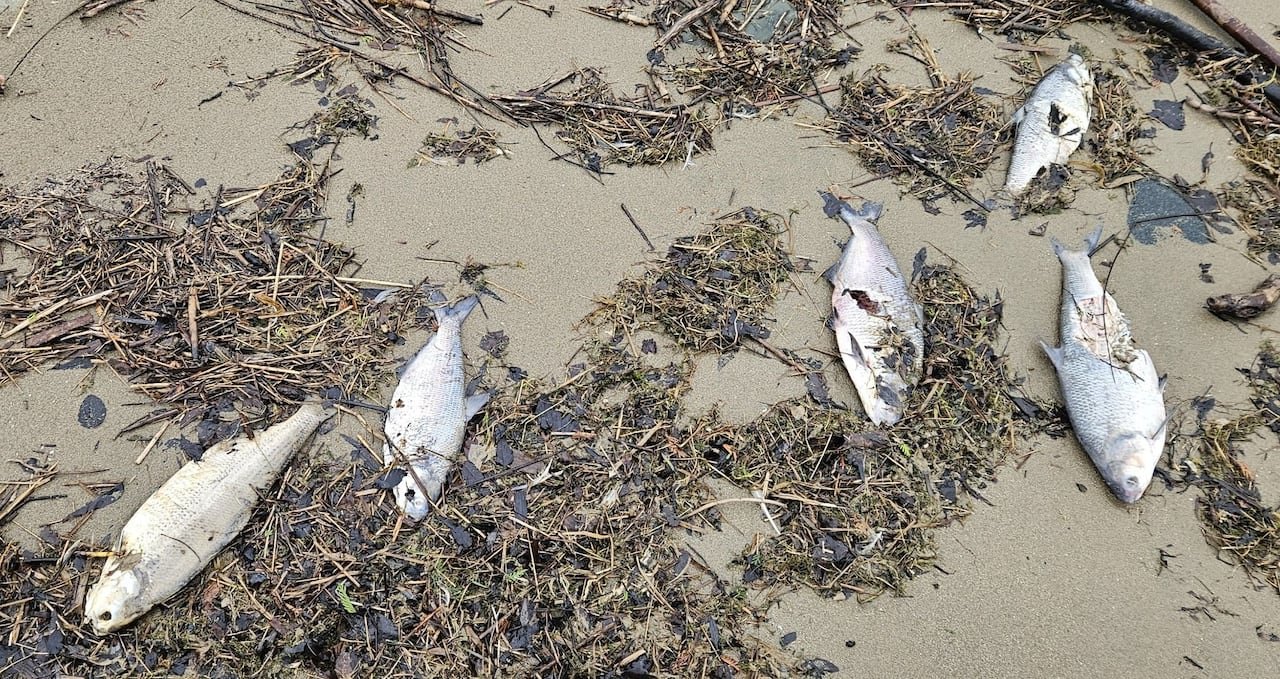
SON’s Perspective on Warm Water
The Bruce Nuclear Generating Station releases warm water as part of its cooling system, attracting fish to the area. Despite regulators not attributing the fish deaths directly to the plant, SON biologist Ryan Lauzon emphasized the site’s dual function of attracting and trapping fish.
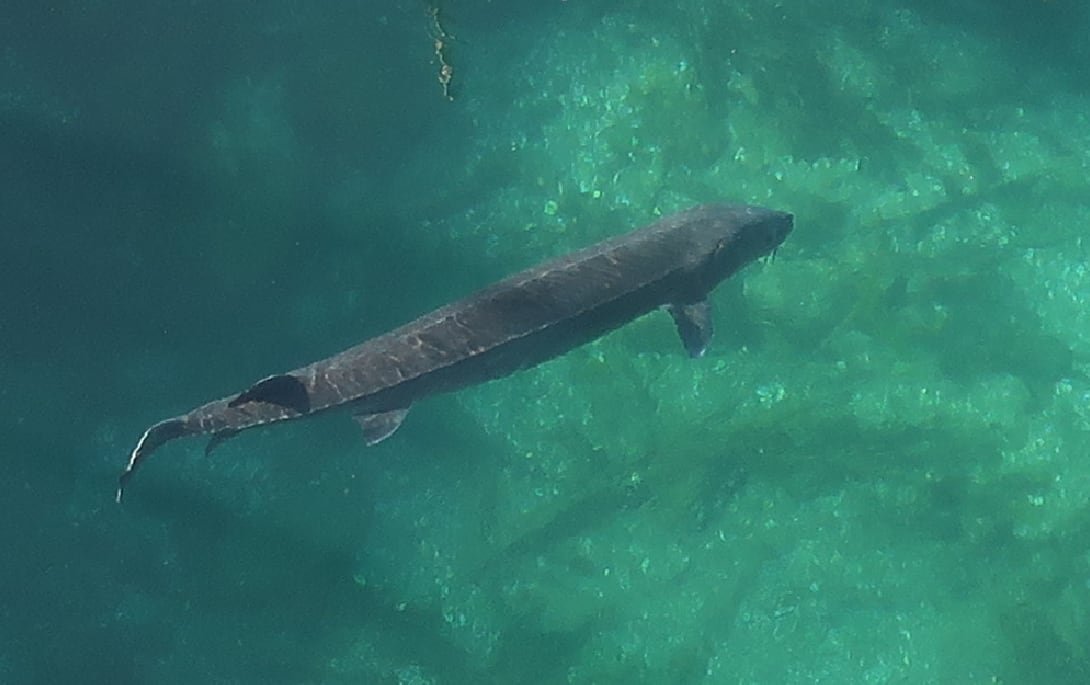
Lauzon explained that the warm water acts as bait, drawing fish into the plant where they can become trapped due to limited exit options, posing risks to their survival.
Bruce Power, however, refuted claims of causing the 2025 die-off, attributing it to environmental factors and extreme conditions. The utility implemented various deterrents and monitoring systems post-incident to prevent further fish entrapment.
Increased Power Limits Request
Bruce Power has sought approval to enhance electricity generation from existing reactors, aiming for an 11% output increase by 2030 without constructing new facilities. The final hearing on this proposal is set for July 2026.
Maggie Tieman, Bruce Power’s director of community affairs, assured that the requested power increment aligns with environmental regulations and safety standards.
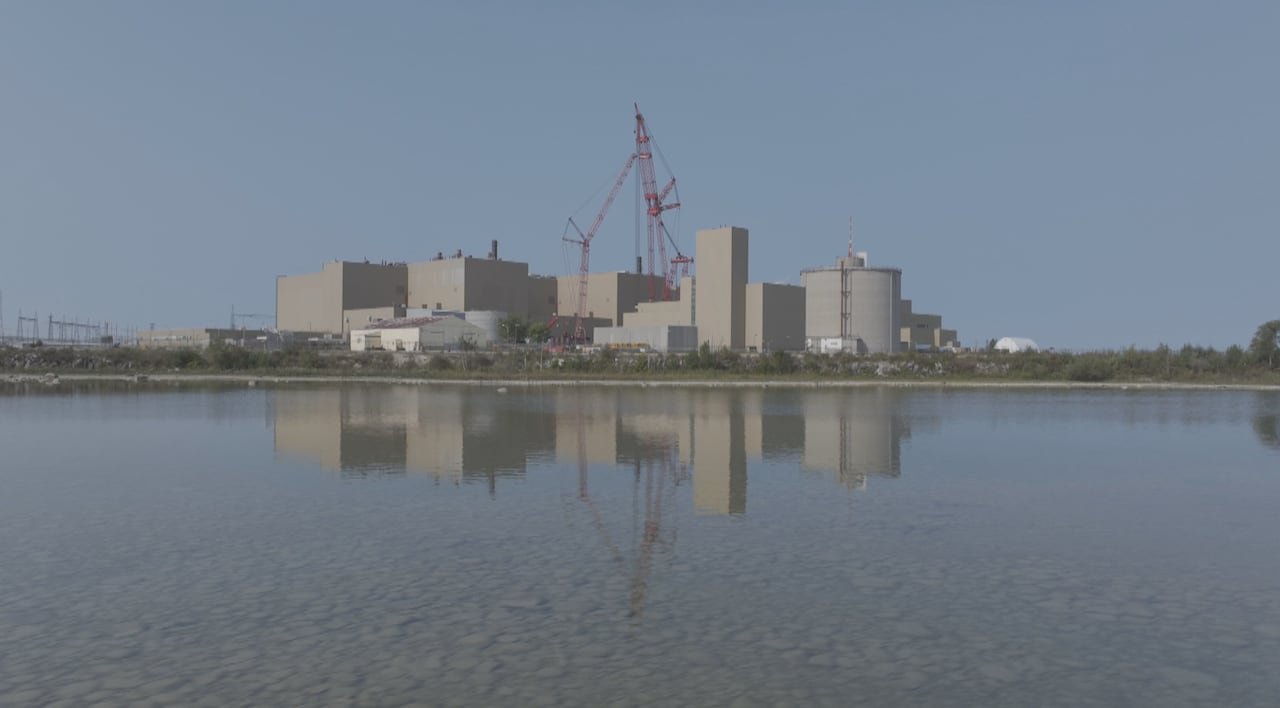
The company acknowledged the absence of clear benchmarks for assessing fish deaths in plant systems, emphasizing the need for population-specific knowledge to determine environmental risks.
Ecological Impact of Fish Loss
Local fisherman Paul Jones emphasized the ecological and cultural significance of gizzard shad, noting their importance in the lake’s ecosystem and as a food source. The removal of these fish can have cascading effects on other species and the community’s cultural practices.

