
Preserved human remains, an unexpected item commonly found in online delivery packages, have been identified as a growing global market by researchers. This niche interest in mummified human and animal remains, as detailed in a recent study published in the International Journal of Cultural Property, poses potential health risks due to the presence of dormant microorganisms such as bacteria and fungi. Lead author Kirsty Squires from the University of Staffordshire in England highlighted the prevalence of mummified heads, hands, and feet in the online market.
The study emphasizes the importance of proper handling of mummified body parts to prevent the release of harmful microorganisms. Squires cautions that inadequate storage conditions in homes or garages may lead to the deterioration of remains, potentially exposing individuals to airborne fungal spores and bacteria. These microorganisms, along with traces of toxic chemicals like arsenic and mercury found in embalming fluids, could pose health risks, especially for immunocompromised individuals.
Ensuring Safe Handling of Mummified Remains
When dealing with human remains, researchers stress the significance of using protective equipment to minimize health hazards. Proper storage conditions, such as those in museums where temperature and humidity are controlled, are crucial to prevent the spread of microorganisms.
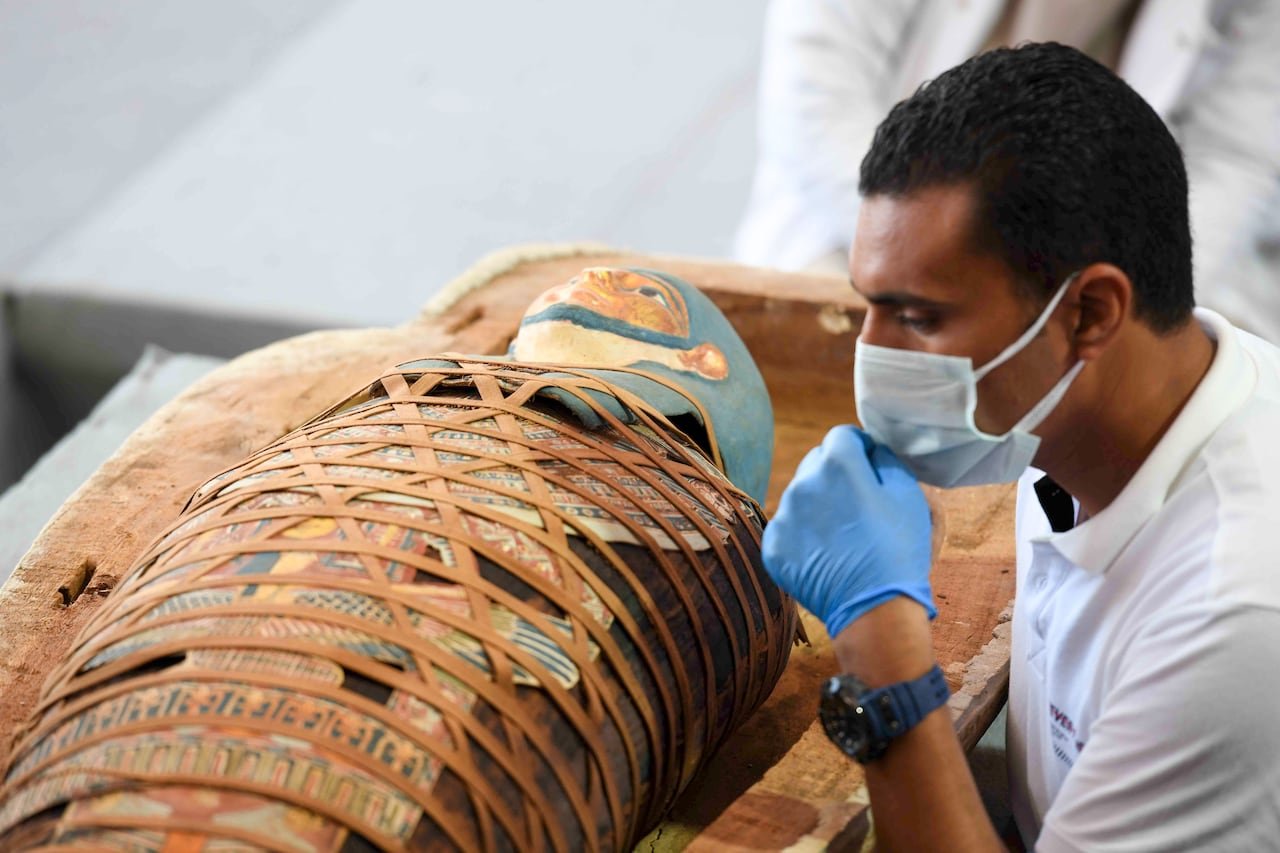
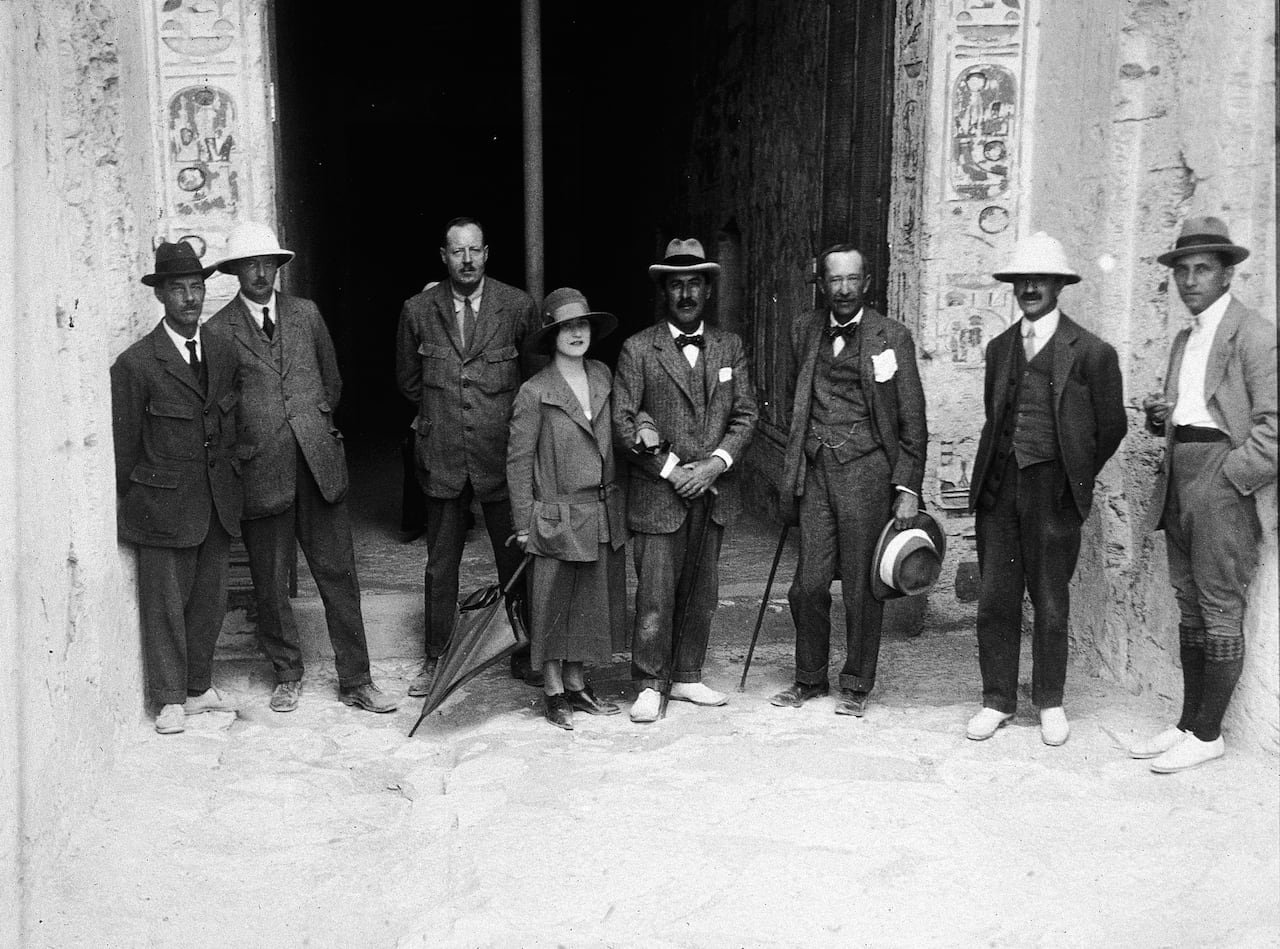
While the study does not cite specific cases of individuals falling ill from handling online-sold human remains, historical incidents such as the deaths of conservation scientists exposed to mould spores in a tomb highlight the potential risks. Ethical concerns surrounding the trade of human remains have also been raised, with calls for stricter regulations on the online sale of mummified remains.
Implications in the Canadian Market
Out of the online posts analyzed, a notable number originated from Canada, indicating a presence of sellers in the country. Shawn Graham, a digital archaeology professor at Carleton University, notes the lack of meaningful regulations on the sale and purchase of human remains in Canada. While some shipping companies have restrictions on transporting human remains, sellers can exploit loopholes by mislabeling packages as archaeological samples.
Efforts to regulate the online trade of human remains have been proposed in the UK, with calls for similar legislation in Canada. Critics argue that the trade commodifies and appropriates ancestral remains, echoing sentiments of colonialism and ethical infringement.
“Ban the online sale of human remains,” urges Graham, emphasizing the need to address the ethical implications of treating human bodies as commodities.

