
Quebecor has proposed a $31 billion acquisition of Telus.
The Montreal-based telecommunications firm announced on Monday that it submitted a non-binding proposal to Telus in June, which would serve as a foundation for discussions. Currently, Telus is evaluating an improved offer made by Quebecor earlier this month, according to the announcement.
Quebecor asserts that the proposed acquisition would merge complementary networks, spectrum, and operational strengths, thereby enhancing investment potential and competitive standing.
Under the terms of the offer, Telus shareholders would receive $6.35 in cash along with 0.17 Quebecor shares for each share of Telus they own, which translates to an approximate 60 percent premium, according to the company.
As Canada’s fourth-largest telecommunications provider, Quebecor has experienced significant growth in value in recent years since acquiring Freedom Mobile in 2023 through its subsidiary Videotron, and leveraging competitors’ networks to deliver mobile services. With a market capitalization of $14.77 billion for Quebecor and $21.72 billion for Telus, the proposed acquisition would position Quebecor ahead of Rogers or Bell by this measure.
The company contends that acquiring Telus would result in a more robust organization capable of better serving consumers through quicker 5G deployment, improved connectivity in rural areas, and increased affordability.
Quebecor stated, “This proposal will establish a strong pan-Canadian competitor, enabling it to compete on equal footing with other national providers and to challenge foreign companies, ultimately benefiting Canadians.”
Quebecor acknowledged that any agreement would need to gain approval from the Competition Bureau and regulatory bodies such as the Canadian Radio-television and Telecommunications Commission (CRTC) and Innovation, Science and Economic Development Canada.
The federal government has initiated measures aimed at enhancing competition within the telecommunications sector, including regulations that compel large internet providers to grant access to their networks for competitors and highlighting affordable mobile plans, as delineated in its recent telecom competition roadmap.
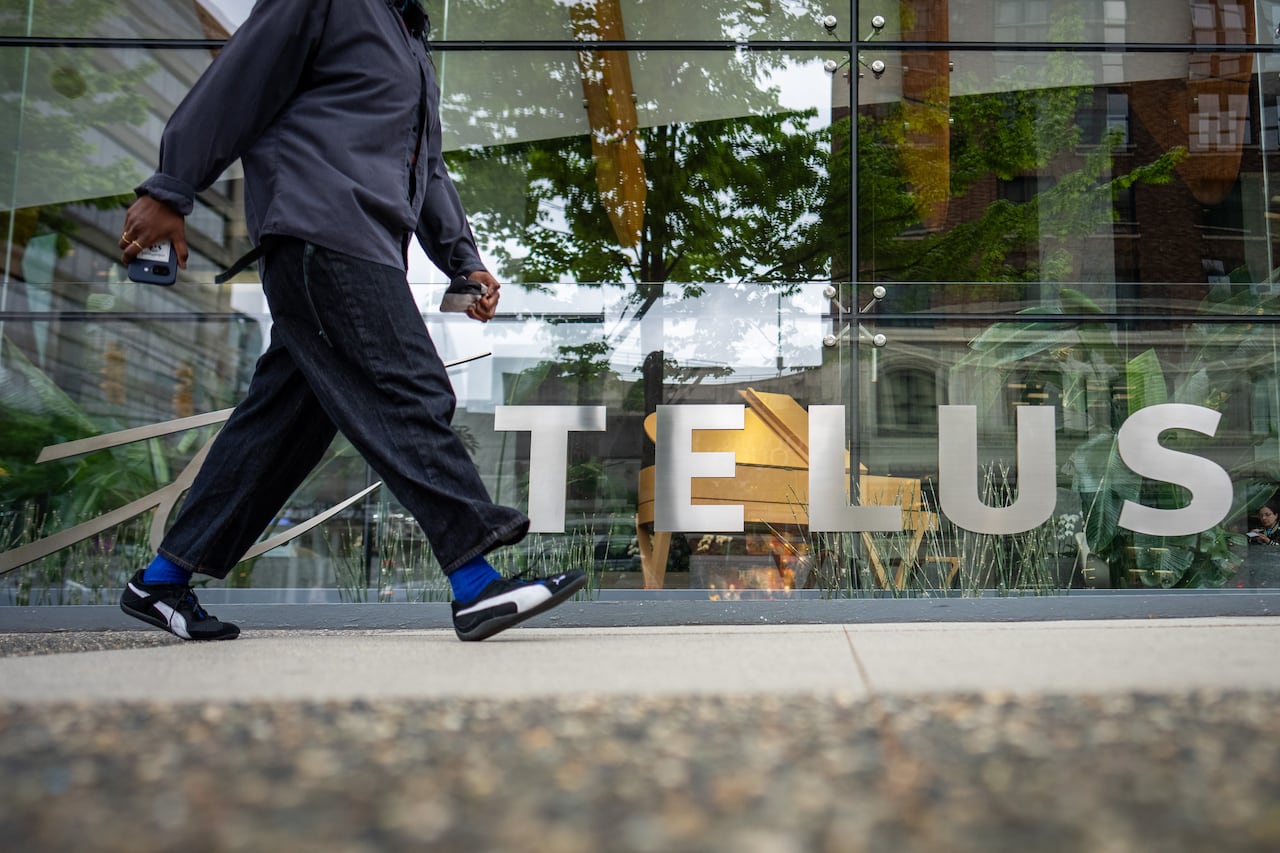
TELUS corporation’s headquarters at TELUS Garden in downtown Vancouver, British Columbia, on Wednesday, May 6, 2026. Telus’ board is evaluating Quebecor’s proposal but has raised concerns that remain unaddressed by the Montreal telecom company. (Ben Nelms/CBC)
Telus has established a committee to analyze the proposal and assess the potential deal’s value. According to John Manley, chair of Telus’s board of directors, the committee has identified several “significant risks.”
Manley stated that Quebecor “has not yet clarified how its proposal could receive approval under the existing telecom regulatory framework in Canada, and that a regulatory review of such a transaction would be lengthy and costly for our shareholders.”
Moreover, Telus has expressed concerns regarding the valuation of the company in Quebecor’s offer.
He added that Telus would continue discussions with Quebecor, the government, and regulatory agencies regarding these issues while exploring other options.
Quebecor has indicated that it has engaged experts to evaluate the proposed acquisition and any potential objections that may arise from regulatory bodies. The company is also prepared to negotiate “measurable commitments” concerning pricing, employment, and regional connectivity with relevant authorities, as stated in its announcement.
This potential acquisition would significantly alter the telecommunications landscape and represents the largest takeover in Canada’s telecom sector since Rogers Communications Inc. acquired Shaw in 2023. The federal government approved that deal with several conditions, including that Rogers invest billions to improve its broadband and wireless networks and create 3,000 jobs in Western Canada.
Shaw’s Freedom Mobile was sold to Quebecor’s Videotron as part of that acquisition, which mandated the company to provide lower-cost service similar to what it was offering in Quebec in other regions, among other stipulations.

