

In a surprising twist, suckerfish are not always the most considerate companions during their oceanic travels.
These small fish, also known as remoras, hitch rides on larger marine creatures such as sharks, whales, and manta rays, feeding on parasites in exchange for transportation.
While this symbiotic relationship may seem beneficial, recent research indicates potential drawbacks for manta rays hosting remoras.
“These fish are venturing into the cloaca of manta rays,” explained marine researcher Emily Yeager from the University of Miami during an interview with Nil Kӧksal on As It Happens.
Yeager, a doctoral candidate, led a study, published in the journal Ecology and Evolution, shedding light on this behavior.
The phenomenon of ‘cloacal diving’
This behavior, known as “cloacal diving,” involves the fish entering the host’s cloaca, a multifunctional orifice for reproduction and waste elimination.
While cloacal diving has been observed between remoras and whale sharks in the past, this study represents the first documented evidence of such interactions between remoras and manta rays.
Although researchers recorded seven instances over 15 years in various locations, they suspect this behavior occurs more frequently than documented.
“This phenomenon is likely underreported, as the remoras deeply embed themselves into the manta ray’s cloaca,” noted Yeager.
She speculates that this behavior may be a response to fear in remoras. In one instance, a diver startling a male Atlantic manta ray prompted a nearby remora to swiftly dive into the ray’s cloaca, causing a noticeable reaction from the ray.
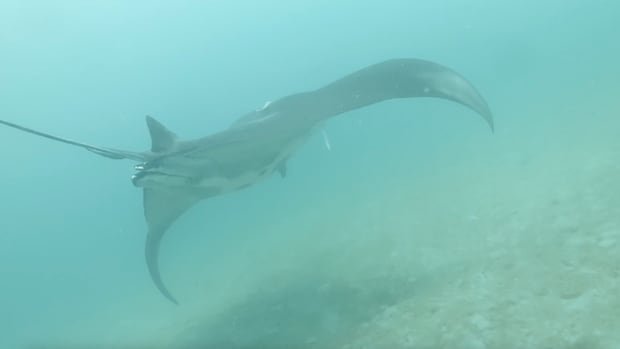
Remoras, also known as suckerfish, are well-known for hitching rides on large marine animals like sharks and manta rays. But a new study observes the little fish getting a little more intimate — and diving straight into the manta ray’s rear-end orifice. Credit: Bryant Turffs/Marine Megafauna Foundation.</span

