
Several doctors in Alberta have noticed a troubling trend among new parents who are increasingly hesitant to agree to vitamin K injections for their newborns, a standard practice for many years. Canadian infants typically receive vitamin K shots shortly after birth due to their naturally low levels of the vitamin, crucial for blood clotting to prevent severe bleeding.
The Canadian Paediatric Society and other reputable medical organizations strongly recommend administering the vitamin K shot within six hours of delivery.
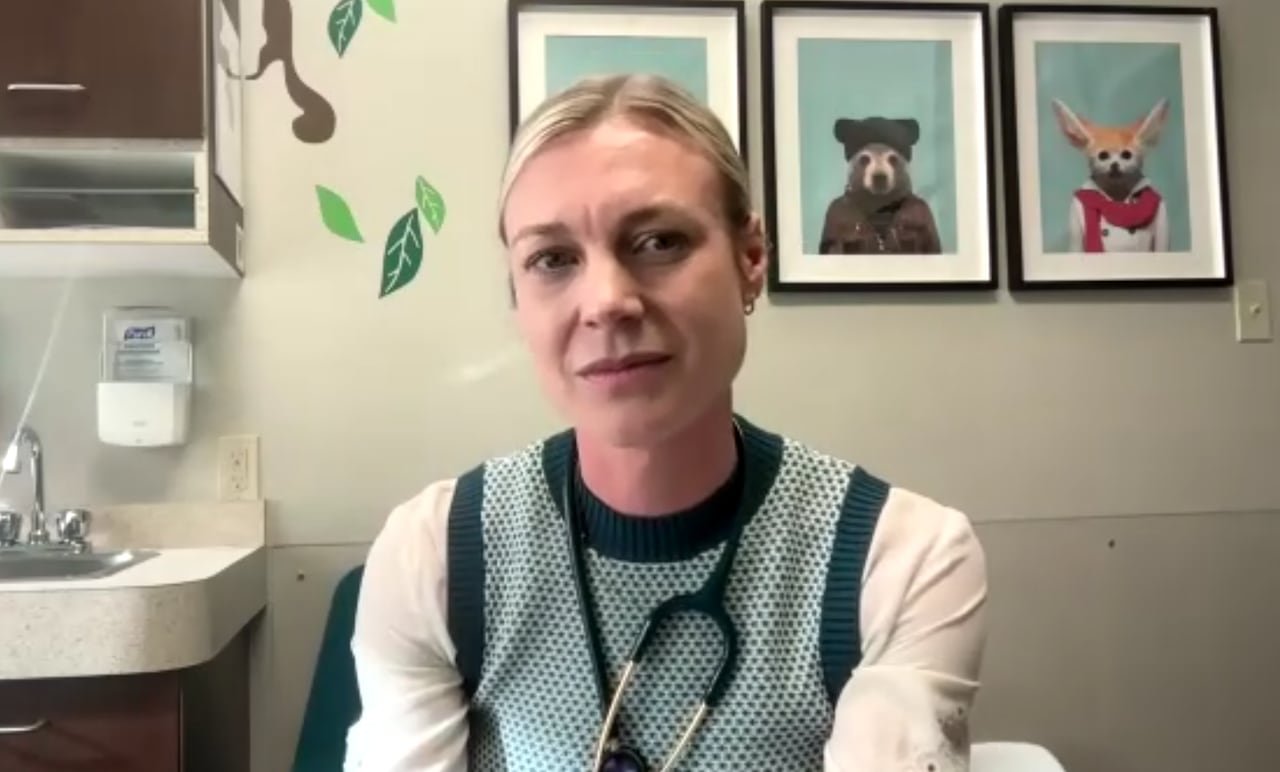
Dr. Stephanie Cooper, a high-risk obstetrician based in Calgary, expressed concern over the increasing number of parents expressing doubts about the necessity of vitamin K injections for their babies. She noted that some parents struggle to explain their distrust of the injection, while others fall victim to misinformation on social media platforms like TikTok, where false claims linking the injection to autism circulate.
- Research on TikTok content reveals widespread misinformation
- Experts warn about the prevalence of false information online
Dr. Bouma, a pediatrician in Calgary, emphasized the critical role of vitamin K injections in preventing serious complications since newborns have insufficient levels of the vitamin at birth. She highlighted the potential risks faced by infants who do not receive the shot, including spontaneous bleeding that could lead to severe health issues like cerebral palsy or the need for intensive care.
Furthermore, the U.S. Centers for Disease Control warns about vitamin K deficiency bleeding (VKDB), a condition that can result in brain damage or fatality within the first six months of a baby’s life if left untreated.
Dr. Bouma expressed worries about the rise in parental hesitancy towards vitamin K shots, with some opting for oral medication over injections, despite the latter being the recommended method by medical experts due to its effectiveness.
Another reputable organization, the American Academy of Pediatrics, has also observed a rise in parental resistance to vitamin K injections, leading to an increase in cases of late-onset VKDB. Public data indicates a rise in vitamin K uptake among Alberta newborns, although specific recent figures were not provided by Alberta Health Services or the province.
The province previously raised concerns over refusal rates for vitamin K injections in specific regions, emphasizing the need for enhanced parent education on the associated health risks.

